Strategy: Redesigning the Commercial Experience Architecture
The work began before any creative brief was written. A structured qualitative audit mapped the full six-stage sales journey (Identify, Qualify, Quantify, Close, Implement, Enhance) through twelve depth interviews with Ortho stakeholders across Senior Management, Marketing, Account Management, and Sales, covering the US market as the primary focus. The output was a detailed journey map and a prioritised set of recommendations across nine failure categories, plotted against an impact-versus-effort matrix to give the leadership team a clear sequence for intervention. The research reframed the engagement: this was not a communications deficit to be solved through new assets. It was a systemic experience gap requiring a response across brand, tools, people, and physical environments simultaneously.
From the research, a parallel set of workstreams was initiated. The brand system was realigned across all sales materials, replacing the ungoverned, self-built collateral with a coherent hierarchy of product brochures and sales tools designed for consistent use at each stage of the journey. A brand film, produced using dance and ribbon choreography, established a new emotional register for the company: two dancers with paired orange and red ribbons symbolising the precision, balance, and connection at the core of Ortho's two business divisions. Supporting communications and visuals were developed specifically for Salesforce and 4Edge to drive adoption across the sales force, embedding the tools into the journey rather than leaving them as optional supplements that individual teams could ignore or bypass.
The physical experience architecture was built alongside the brand system. A Mobile Experience Centre, designed and fitted as a custom on-road laboratory and presentation environment, brought Ortho's technology and brand directly to customer sites without requiring access to a clinical setting: a self-contained format that respected the operational constraints of the laboratories it visited and mixed education with brand storytelling in a single space. A modular exhibition system, scalable from 5 to 30 square metres, extended brand consistency across events of any scale in any market. The EMEA Sales Conference in Berlin, attended by over 500 people and built around the theme "Stand and Deliver," received a complete conference ecosystem: branded signage and venue materials, a mobile-optimised registration platform, and a unified visual language that carried the same system across every surface from the main stage to the delegate agenda.
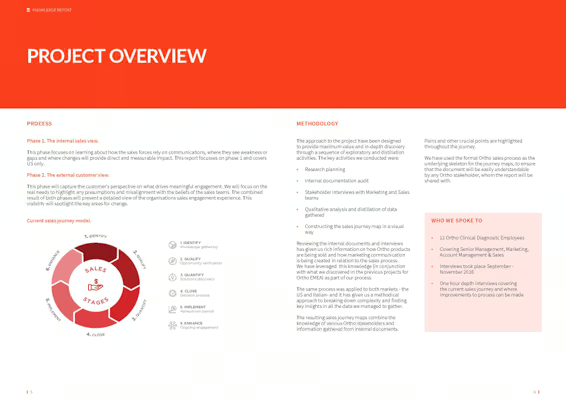
Project overview — methodology.
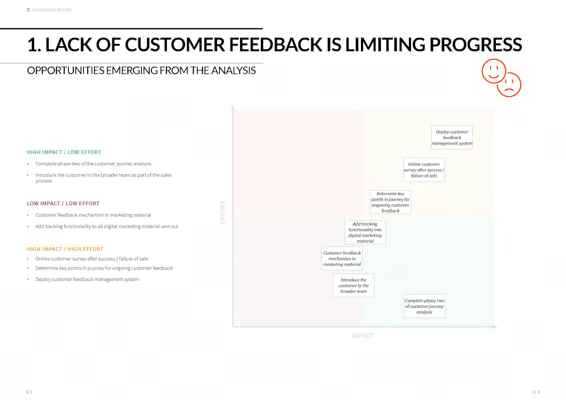
Finding — customer feedback gap.
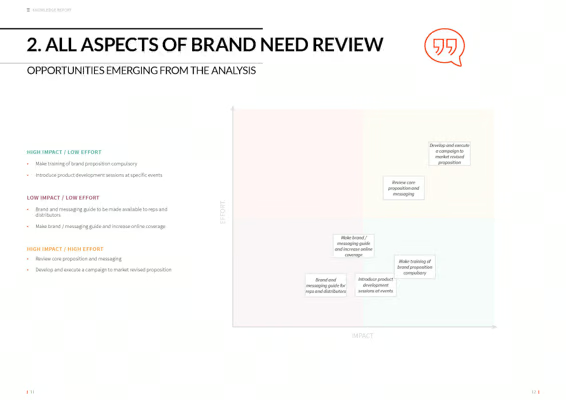
Finding — brand alignment gap.
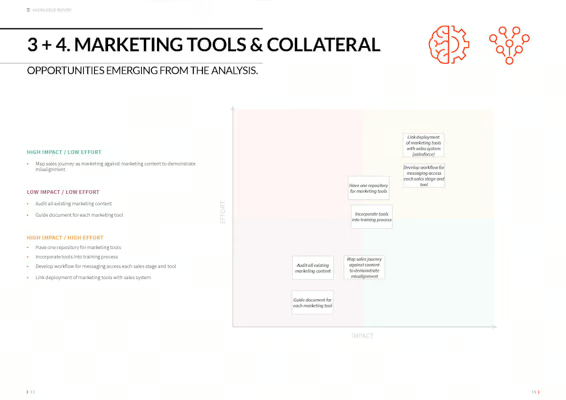
Finding — tools and collateral.
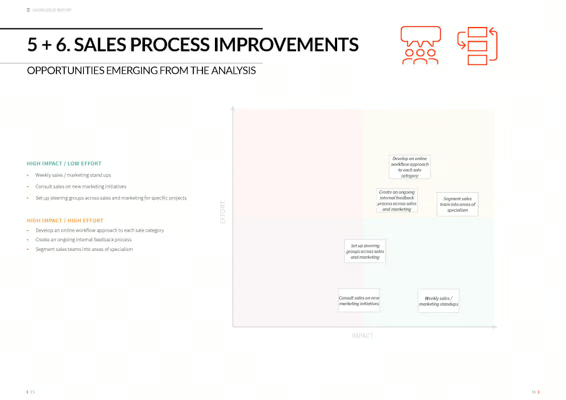
Finding — sales process improvements.

Finding — fragmented collateral audit.
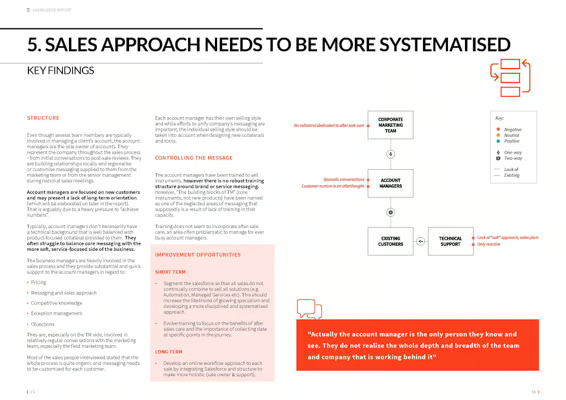
Finding — sales systematisation gap.
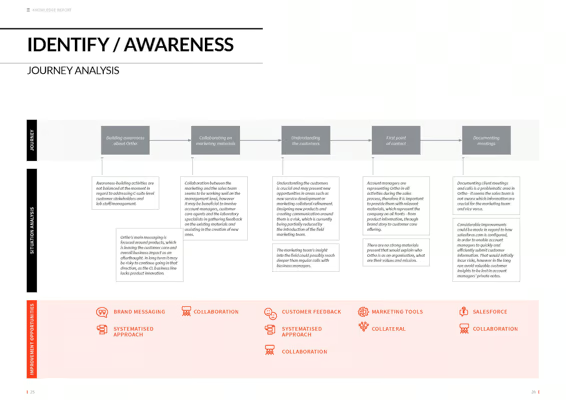
Journey — identify and awareness stage.
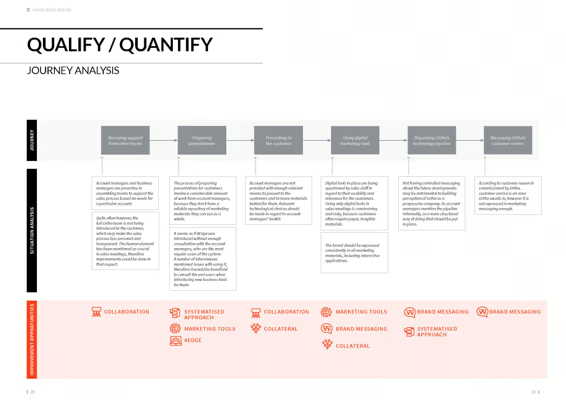
Journey — qualify and quantify stages.
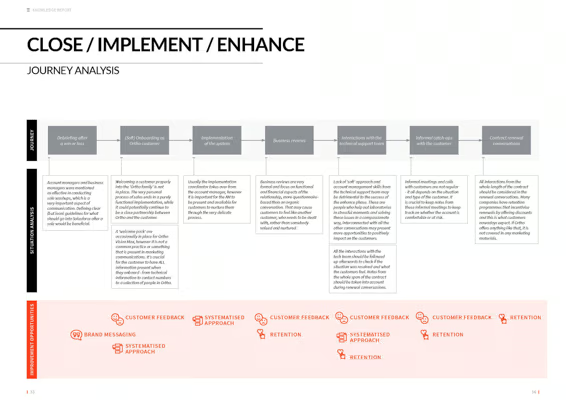
Journey — close, implement, enhance.
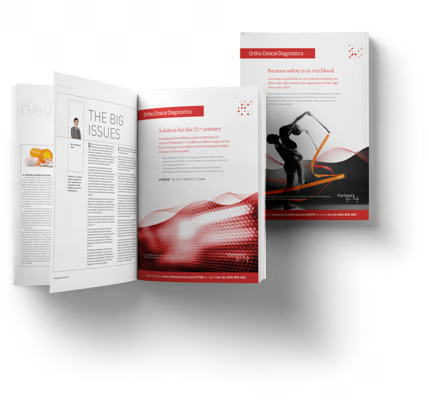
Brand collateral — printed brochures.

EMEA brochure — dancer cover.
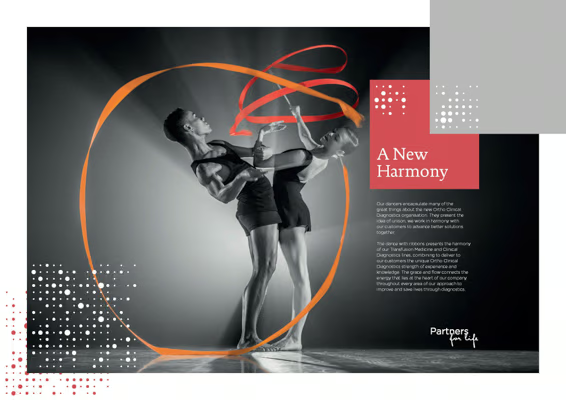
Brand narrative — a new harmony.
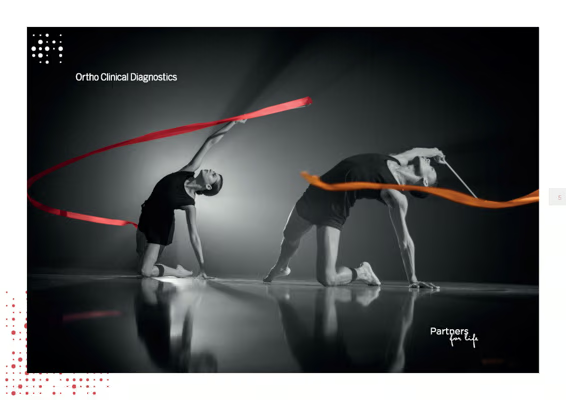
Brand film — ribbon choreography still.

Division brochure — clinical chemistry.
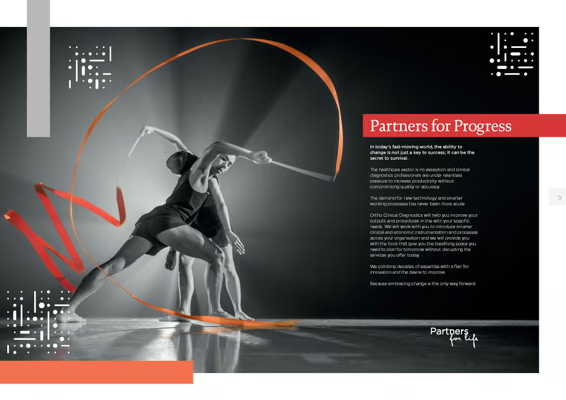
Brand spread — partners for progress.
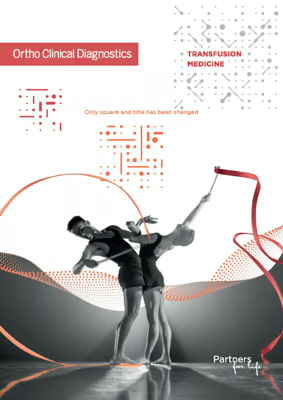
Division brochure — transfusion medicine.
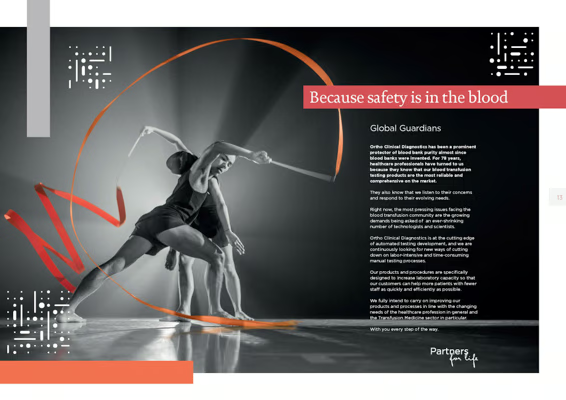
Brand spread — safety in the blood.
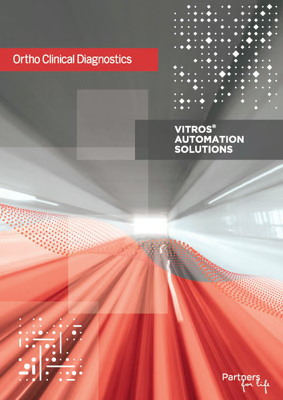
Product brochure — VITROS automation.

Product spread — consider the options.
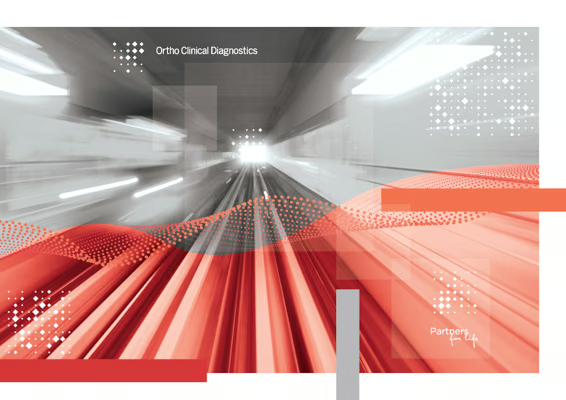
Brand system — full visual field.
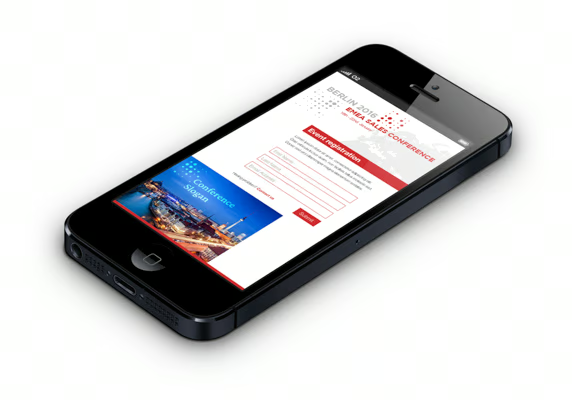
Conference — mobile registration platform.
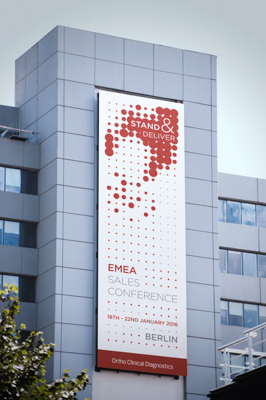
Conference — exterior building banner.
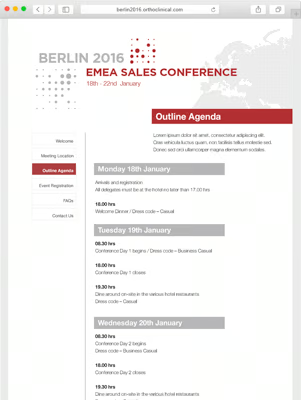
Conference — outline agenda page.
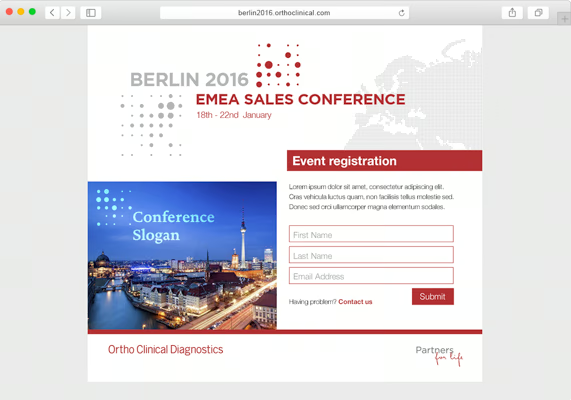
Conference — registration homepage.
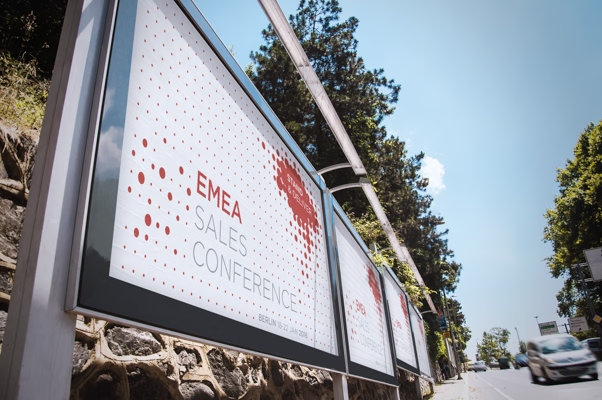
Conference — outdoor poster series.
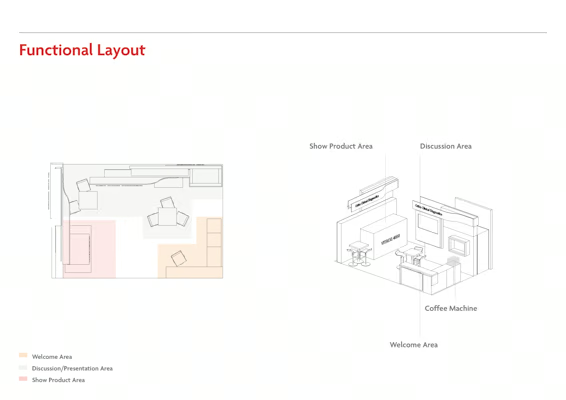
Exhibit — functional layout plan.
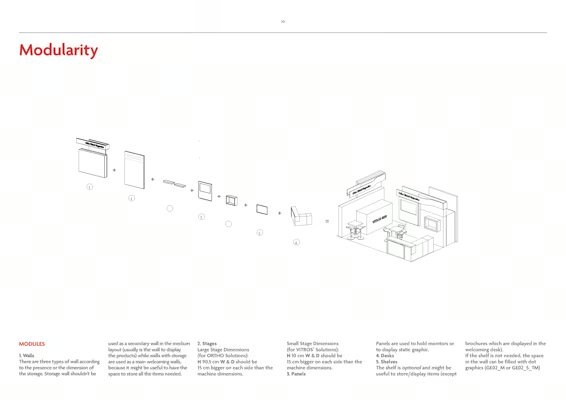
Exhibit — modular component system.
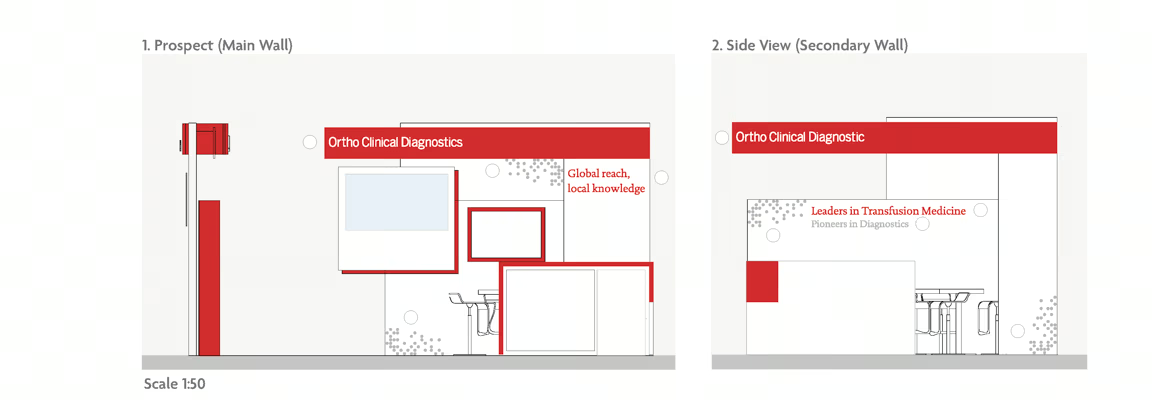
Small stand — prospect elevations.
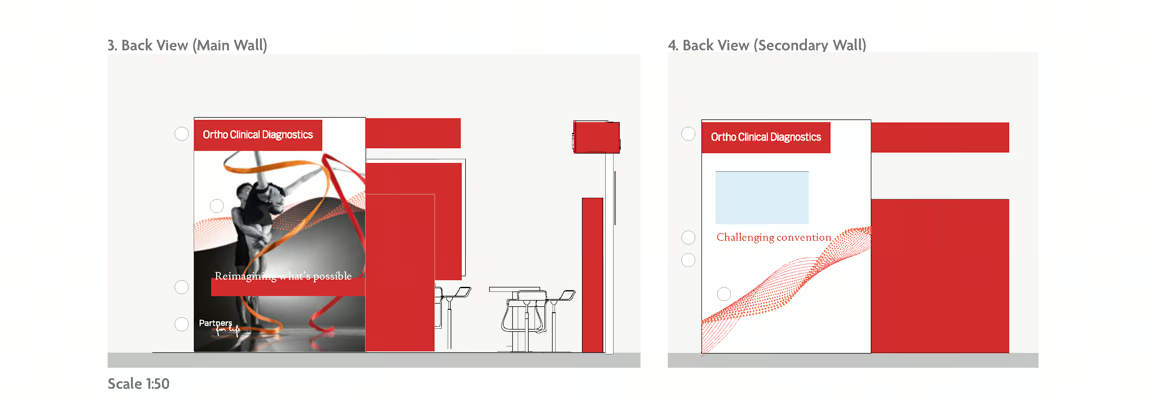
Small stand — back elevations.
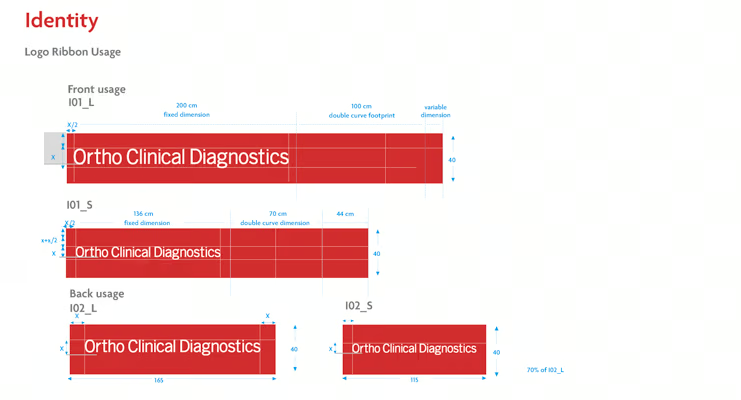
Small stand — logo ribbon dimensions.
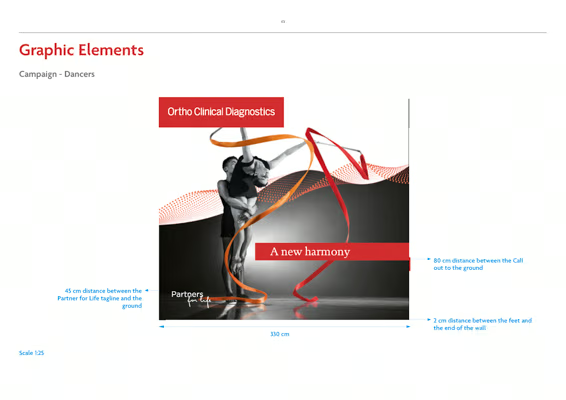
Exhibit — dancer panel specification.
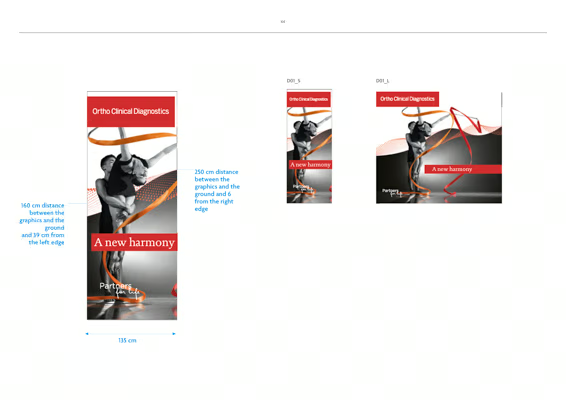
Exhibit — rollup banner variants.
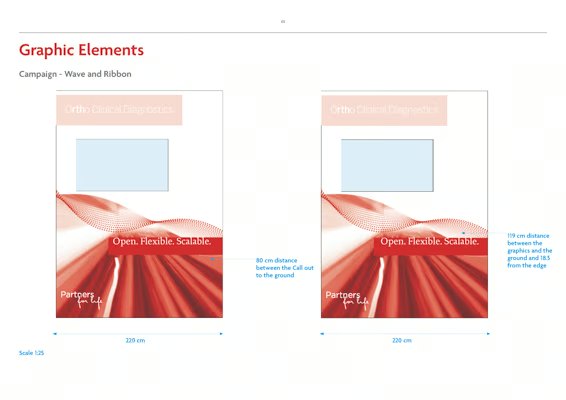
Exhibit — wave panel specification.
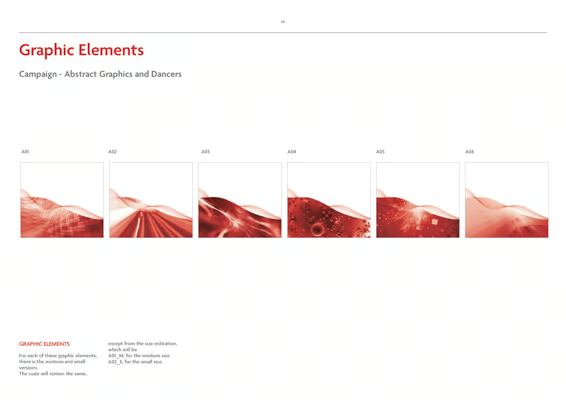
Exhibit — abstract graphic variants.
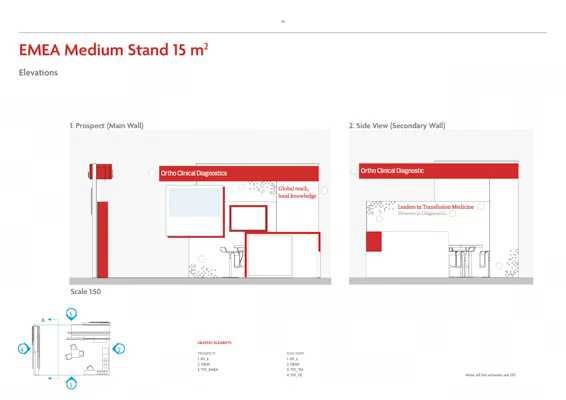
Medium stand — prospect elevations.
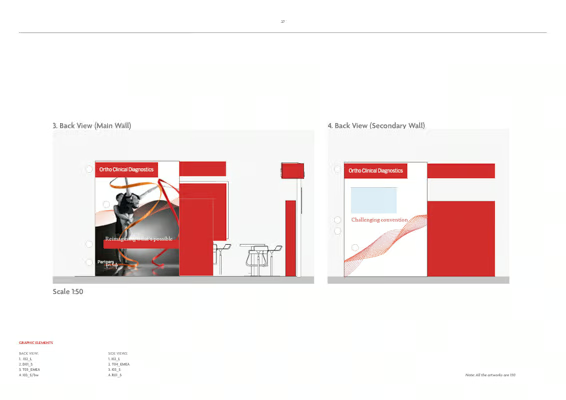
Medium stand — back elevations.
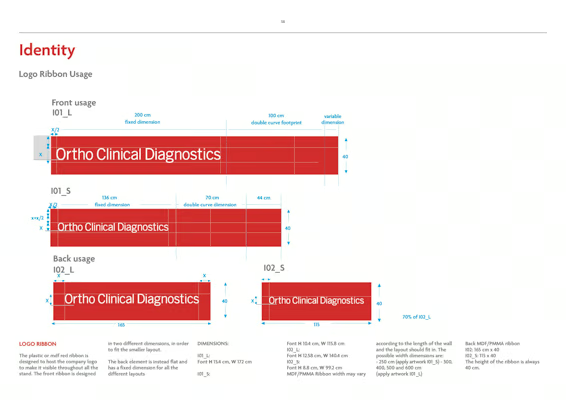
Medium stand — logo ribbon dimensions.
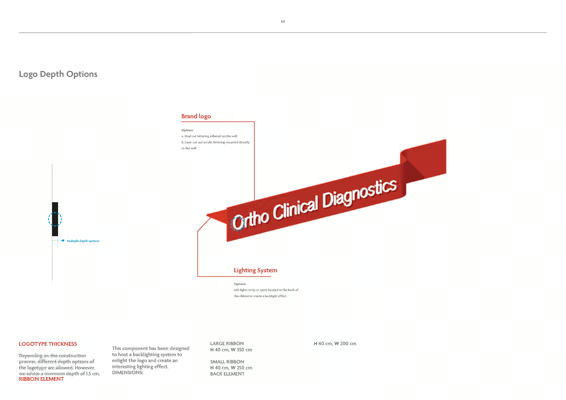
Exhibit — 3D logo ribbon render.
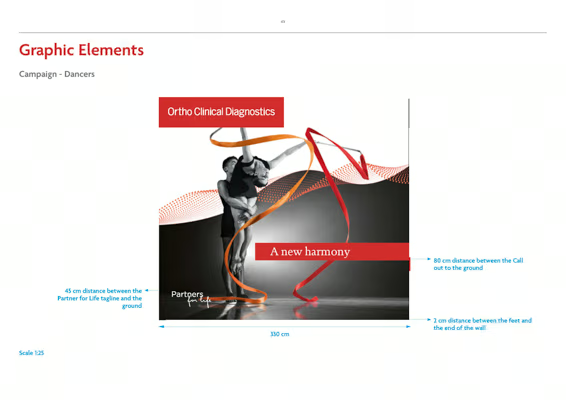
Large stand — dancer panel specification.
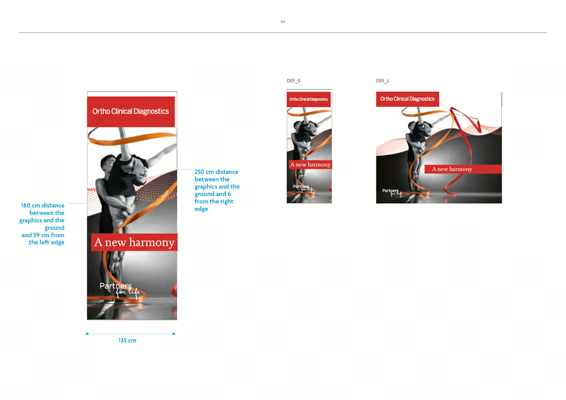
Large stand — rollup banner variants.